Harbin Modern Dairy Machinery Co., Ltd.




Feb 08,2025
Selection of raw materials and process control for sour soy milk
Soybeans used for producing solidified soy milk should be of good quality, mature and intact, with high protein content, high extraction rate, and free of residual pesticides and antibiotics; Raw soybeans that are moldy, spoiled, or have a long storage period shall not be used for production.
Feb 08,2025
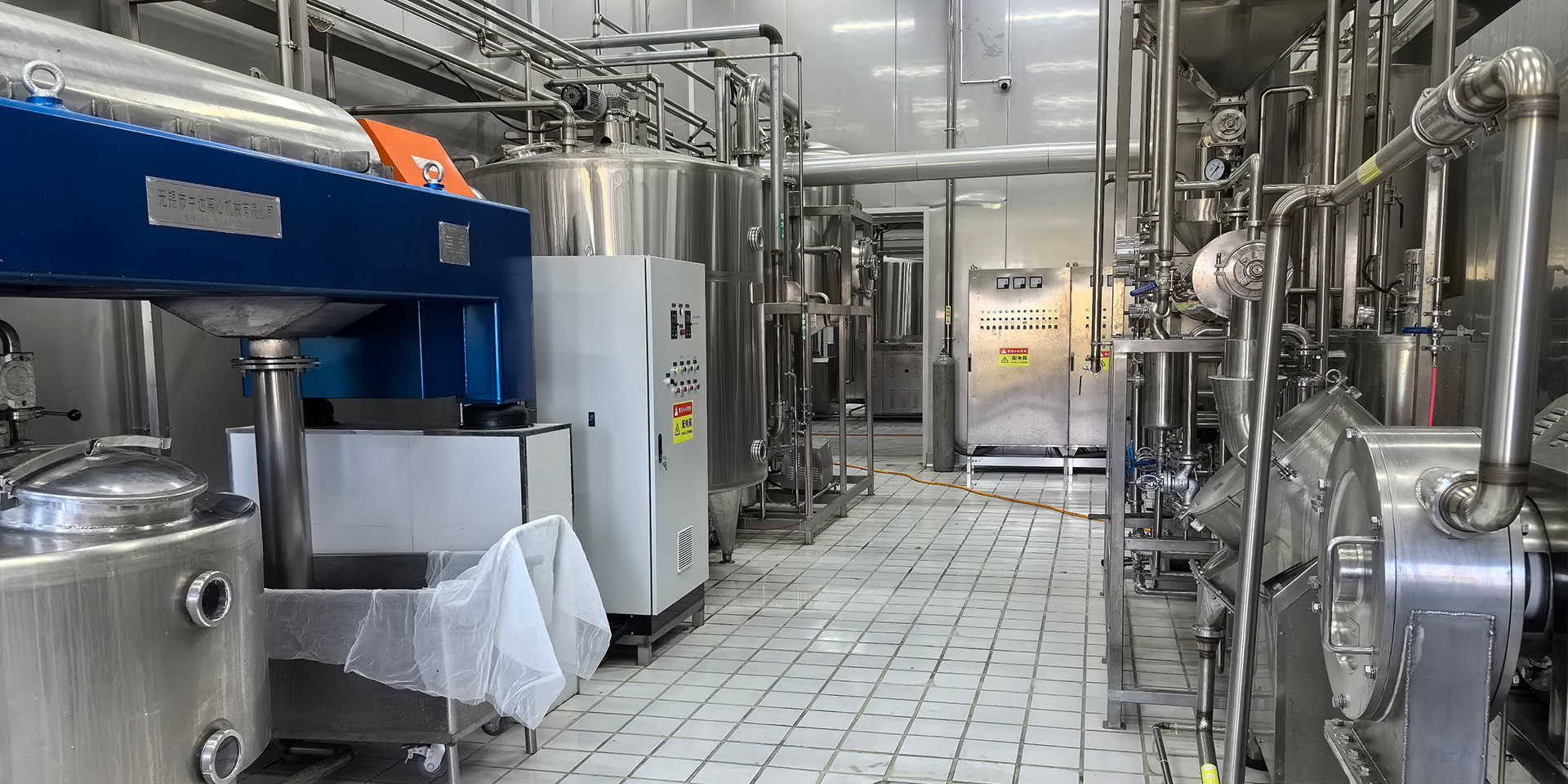
The semi wet process is adopted, which uses dry (or slightly added with water) method to kill enzymes and wet pulverization, combining the advantages of both wet and dry methods, thus changing the ancient soybean soaking and pulping processing technology that has been continued in China for many years. The raw material utilization rate is high, there is no wastewater treatment, and there is no need for excessive production equipment. During the process of processing soybeans into milk, drying and peeling are first carried out to reduce the residual rate of soil bacteria and prevent contamination of soy milk. At the same time, bitterness and astringency are reduced, thereby improving the flavor of soy milk. Enzyme inactivation can be achieved instantly using high-pressure steam, followed by immediate addition of water for grinding, resulting in the production of soy milk without any fishy odor. By combining coarse crushing with ultrafine grinding, the extraction rate of protein and the recovery rate of solids are improved. The soy milk base material is sterilized by high-temperature instantaneous sterilization method to kill bacteria and heat-resistant bacteria, and then subjected to continuous vacuum flash evaporation to remove volatile odors. The steam in the sterilization solution is condensed and removed to reduce the temperature of soy milk to 65-80 ℃ and reduce protein denaturation.

Feb 08,2025
Soymilk equipment - difference between soymilk and soybean milk
Soybean milk is raw milk, which can be eaten after being grinded, filtered, boiled and sweetened; After the soy milk is ground, it needs to be finely ground (using a colloid mill) and added with various auxiliary materials, additives, vitamins, trace elements, vegetable oil, sugar, milk powder, etc. (saccharin, pigments, preservatives are not allowed). Making soy milk more nutritious and delicious is truly unforgettable. The plant protein and fat globule particles of soybean milk are large, and the human body can only absorb a low rate; The production mechanism of soy milk utilizes soy protein. The content of calcium in soybean milk is low, the content of vitamin A and vitamin C is very low, the content of vitamin B1, B2 and vitamin D is almost zero, the content of sulfur-containing amino acids in protein is low, and methionine is lacking; When producing soy milk, it is necessary to enhance the nutritional content by adding sufficient amounts of vitamins, trace elements, and amino acids. Soybean milk has a rough taste, with bean flavor and beany smell. It has simple nutrition and nutrients only come from soybeans; But soy milk is different. It has a soft taste, delicate structure, a bean aroma, and no bean smell. It is nutritious, rich, scientific, and reasonable. Soybean milk is a kind of natural vegetable protein health drink that people like to drink. It can be added with various fruit juices to make a variety of fruit flavored soybean milk, which has become an essential nutritional breakfast for most people, while soybean milk has a single variety. This does not make people happy. soybean milk belongs to the food series, with a shelf life of only 24 hours; Soy milk belongs to the beverage series and has a shelf life of over six months. In the future, soy milk will become the love clock of most people. Even if they can't finish drinking it, they are not afraid of wasting it. Just refrigerate it. Soy milk has higher nutritional value than milk, and it also contains various anti-cancer substances such as phospholipids, nucleic acids, and isoflavones that milk does not have. It also does not contain harmful cholesterol, galactose, saturated fatty acids, etc. in milk. Therefore, in some regions abroad, the sales of soy milk far exceed that of milk.

Nov 15,2026
A Comprehensive Guide to Aseptic Plant Milk Production Lines
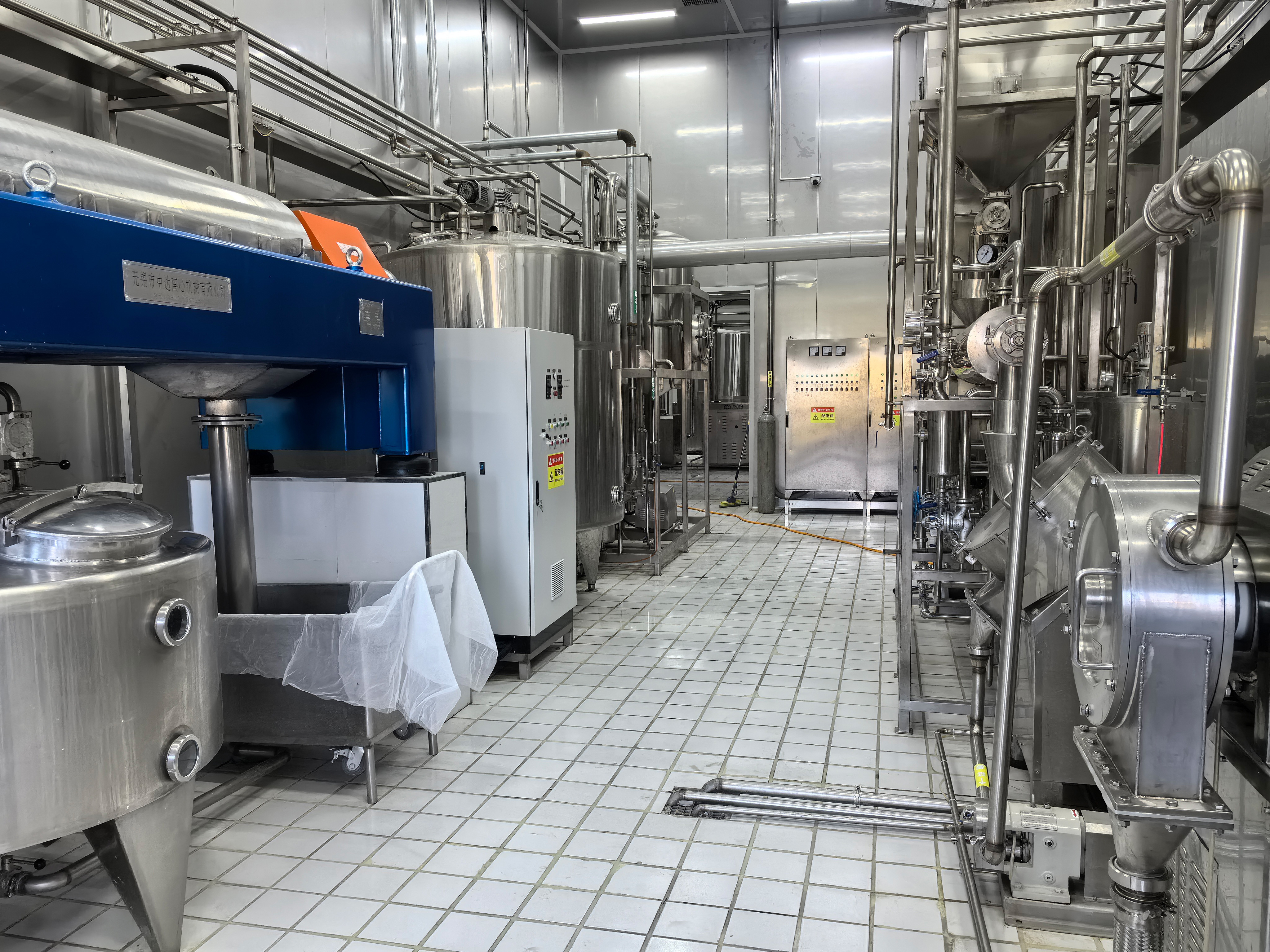
In today's rapidly evolving food and beverage manufacturing sector, aseptic plant milk production lines play a pivotal role in producing safe, shelf-stable plant-based milks such as almond, soy, oat, and coconut milk. The aseptic processing method ensures that products are free from harmful microorganisms while retaining their nutrients, flavors, and textures. This process is essential for meeting
Nov 10,2026
Enhancing Flavor Profiles: The Impact of Fermentation Tanks on Soy Milk
Enhancing Flavor Profiles: The Impact of Fermentation Tanks on Soy Milk Table of Contents 1. Introduction to Soy Milk and Fermentation 2. Understanding the Fermentation Process 3. The Role of Fermentation Tanks in Soy Milk Production 4. Benefits of Fermentation for Flavor Enhancement 5. Nutritional Advantages of Fermented Soy Milk 6. Choosing the Right Fermentation Tank 7. Best Practices for Ferm

Oct 23,2026
Innovative Macadamia Milk Production Line: Enhancing Efficiency and Quality
The macadamia milk production line represents a sophisticated system designed to efficiently process macadamia nuts into a creamy, dairy-free milk alternative. With an increasing demand for plant-based beverages, understanding the various stages and components of this production line is crucial for manufacturers looking to capture market share in the health-conscious sector. The production line be

Oct 18,2026
Cost-Effective Solutions for Your Flaxseed Milk Production Needs
Cost-Effective Solutions for Your Flaxseed Milk Production Needs Table of Contents Introduction: The Growing Demand for Flaxseed Milk Understanding Flaxseed Milk and Its Benefits Key Elements of Flaxseed Milk Production Lines Choosing Cost-Effective Equipment for Your Production Needs Optimizing Your Production Process for Efficiency Scaling Your Flaxseed Milk Production: Tips and Strategies Effe

Oct 13,2026
Unlocking the Potential of Chickpea Milk Machinery: A Guide for Food Processing Professionals
Chickpea milk machinery plays a pivotal role in the production of this innovative plant-based beverage. With increasing consumer demand for dairy alternatives, understanding the equipment and processes involved is essential for manufacturers aiming to capitalize on this trend. Chickpea milk, known for its high protein content and creamy texture, is produced through a series of well-coordinated ste

Oct 08,2026
Unlock the Secrets to Perfect Soymilk with an Electric Soymilk Maker
Unlock the Secrets to Perfect Soymilk with an Electric Soymilk Maker Introduction to Soymilk: A Nutritional Powerhouse Making your own soymilk at home is not just about obtaining a rich, creamy drink; it's about understanding the health benefits and how to achieve the perfect consistency. Soymilk is a fantastic dairy alternative, rich in protein, low in calories, and packed with essential vitamins

Contact Us
Contact:
Manager Liu
Mobile phone:
+86-13603602612
Mobile phone:
+86-15045039710
Phone:
+86-451-84605297
E-mail:
2126043137@qq.com
xdddjx@vip.sina.com
Address:
Room 304, Building 4, Qunli Xingyao Plaza Office, Daoli District, Harbin City


Share to

WeChat Consultation

Website QR code